
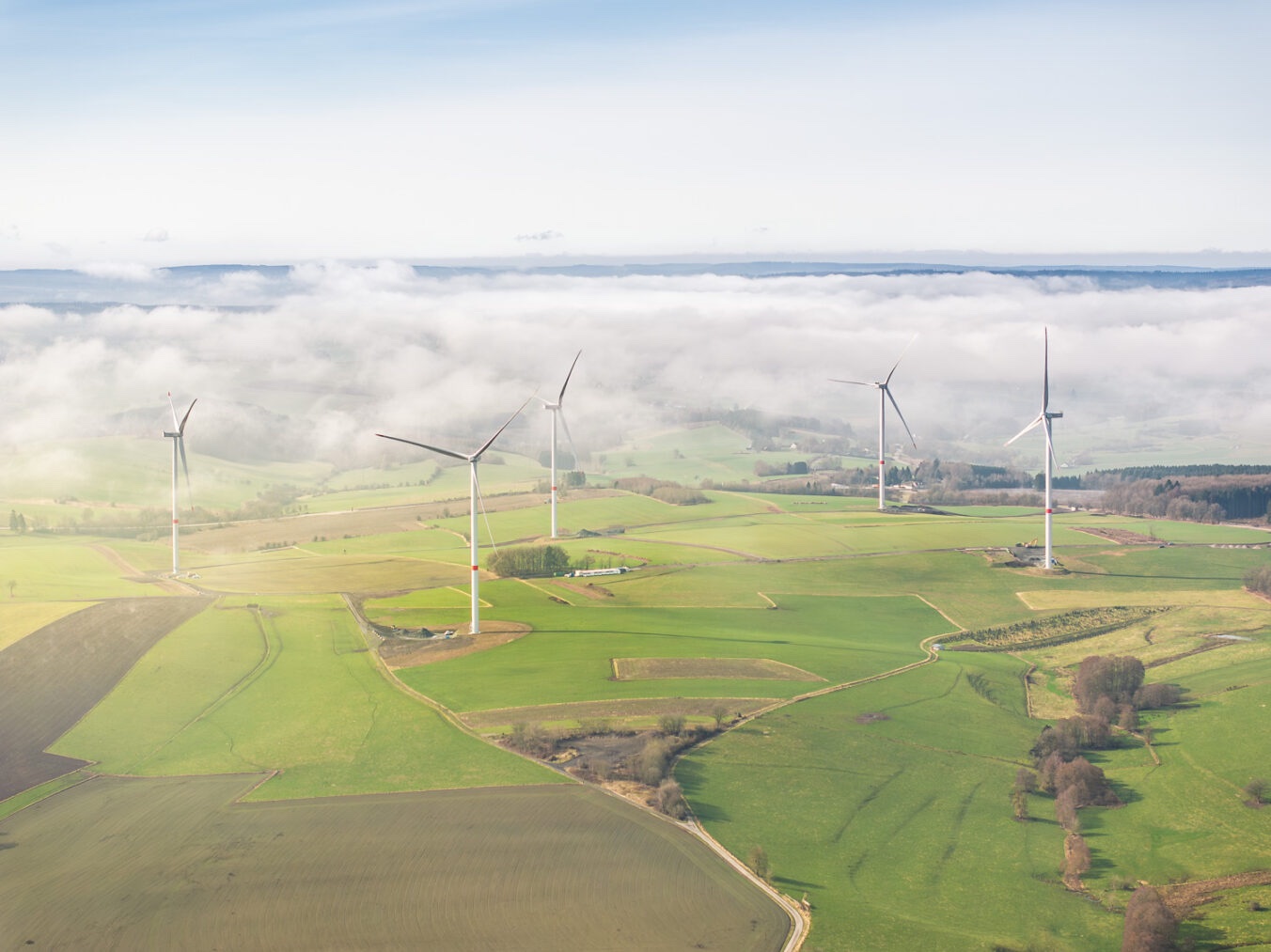
VSME Sustainability Report · 2025
Pioneering the energy transition
Your local partner for 100% renewable energy.
Aspiravi Holding develops, builds, produces and sells 100% renewable energy, driving the energy transition in Belgium and beyond since 2002. This is our first sustainability report, prepared under the EFRAG VSME standard for the period 1 January – 31 December 2025.
Foreword
Leading the transition, together
Every decision we make and every project we take on is driven by our commitment to lead the energy transition, creating local value for communities and leaving a positive legacy for generations to come.
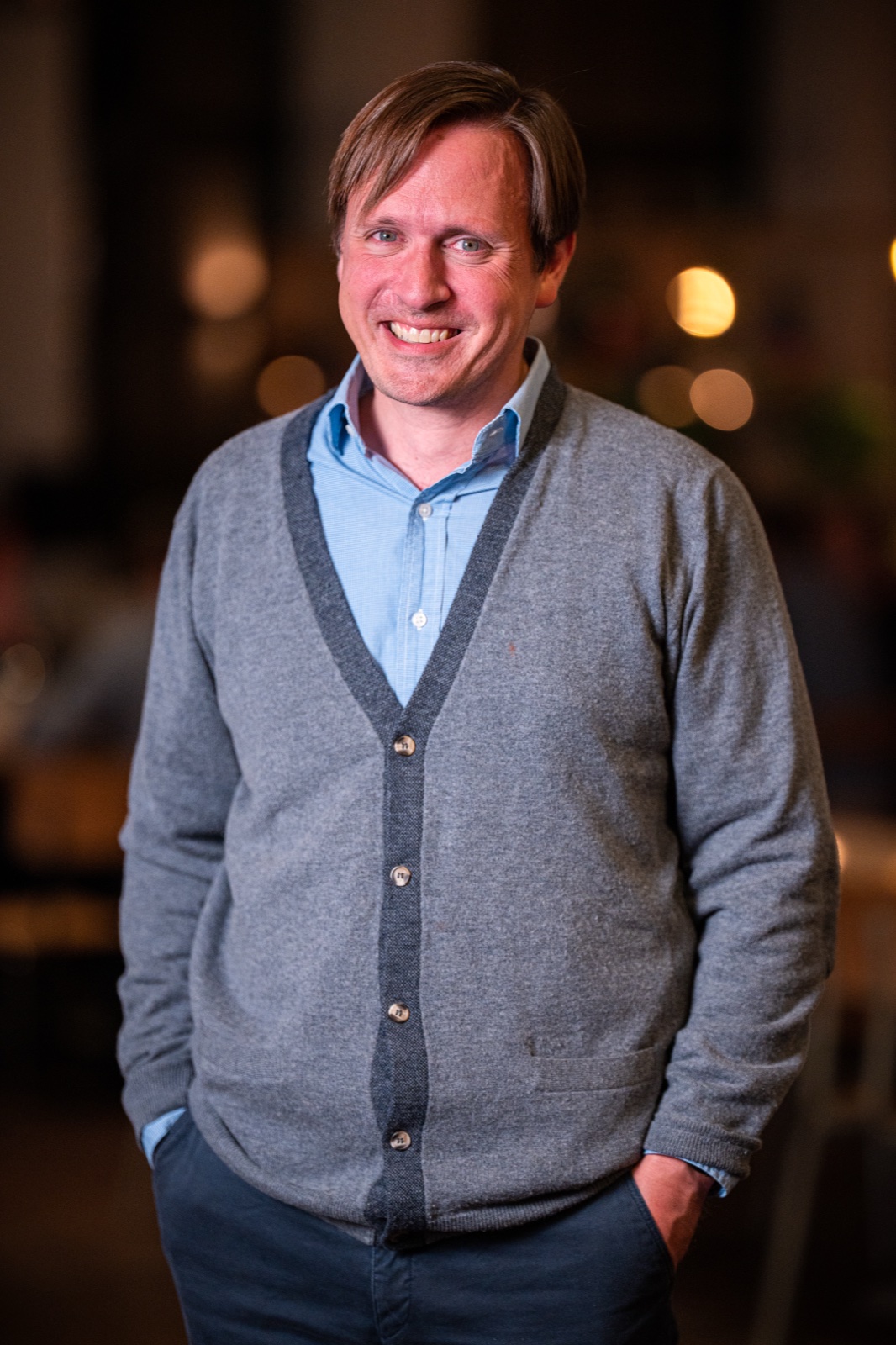
CEO
Aspiravi Holding NV
About Aspiravi
We develop. Build. Produce. Sell.
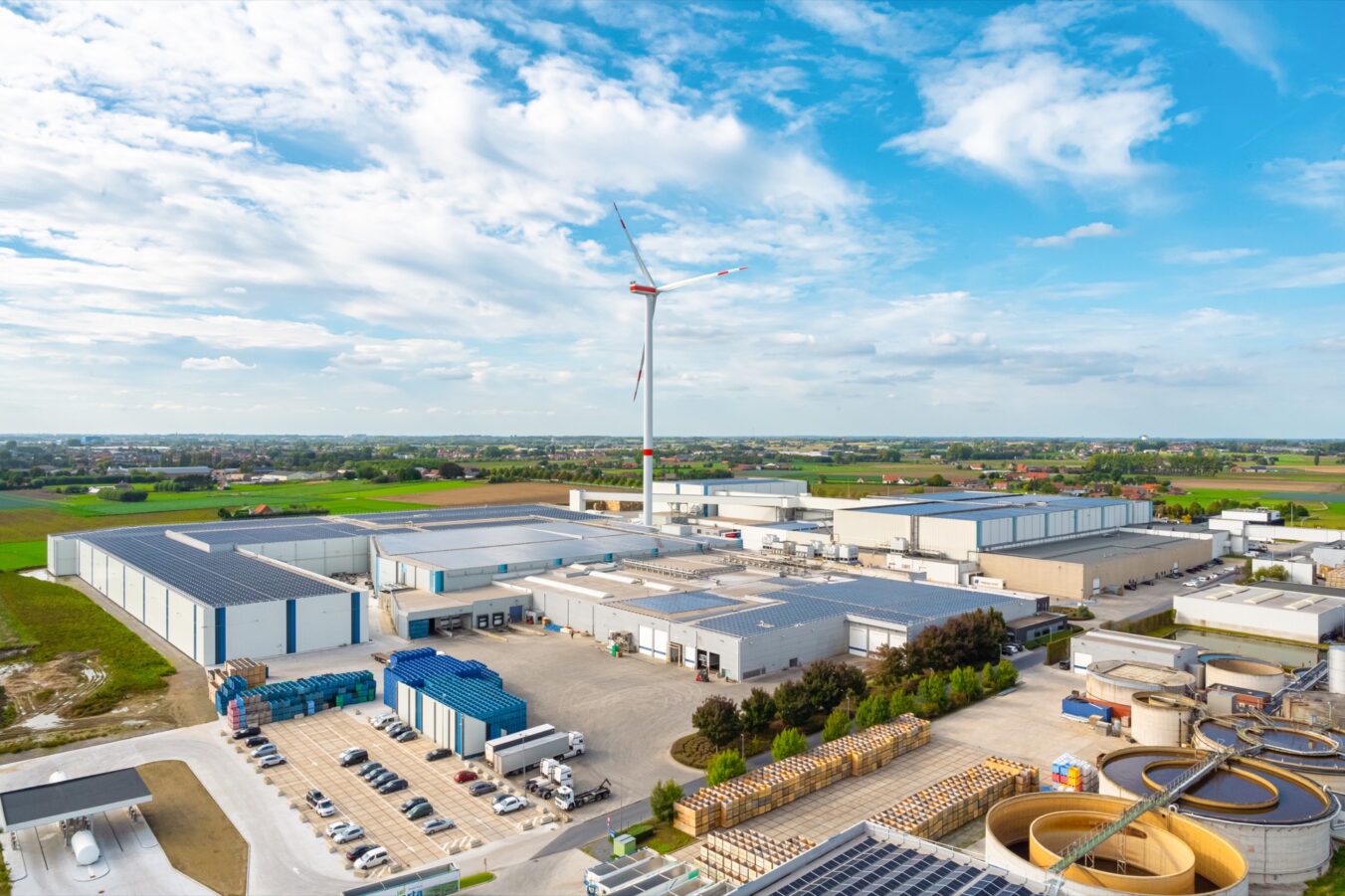
Since 2002, Aspiravi has focused consciously and solely on producing green electricity, through onshore and offshore wind and solar, while investing in battery storage to keep the energy system flexible and stable. We supply this power to businesses through direct and virtual Power Purchase Agreements, and to citizens through Aspiravi Energy.
-
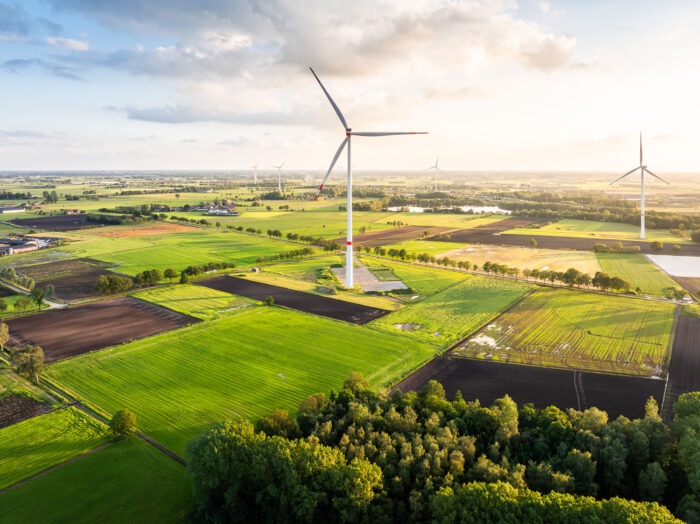
Our core activity, with a growing footprint across Belgium, Spain, France, Curaçao and Scotland, backed by continuous repowering of existing sites.
-
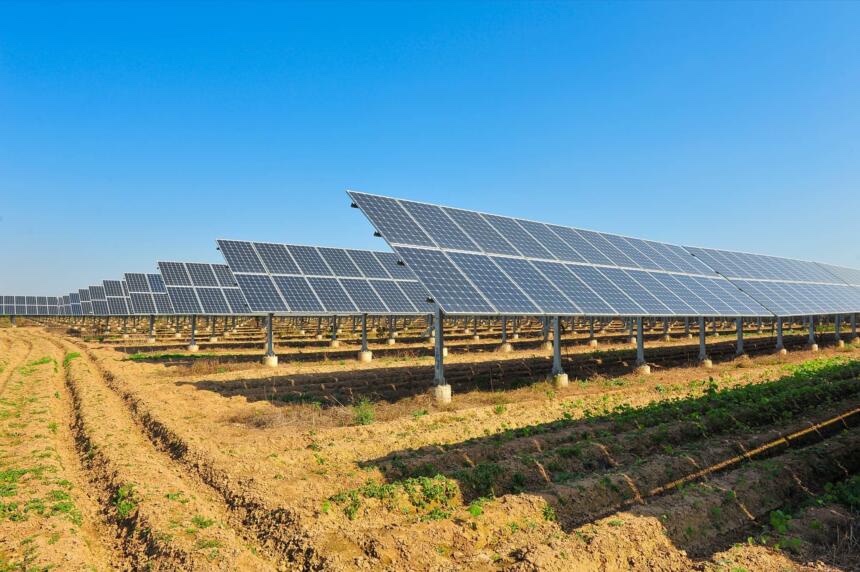
Solar complements our wind portfolio and spreads production across different weather patterns and geographies.
-
As renewables grow, storage becomes the bridge that keeps energy usable around the clock — capturing excess output at peak production and releasing it when demand is highest, so the grid stays reliable.
-
Local residents can invest directly in our renewable energy projects, and municipal shareholders receive a share of the proceeds — so the benefits of the transition flow back to the communities that host it.




Our Sustainability Strategy
Three priorities. One transition.
Since 2002 our mission has been to lead the energy transition by producing and supplying renewable energy — so that less fossil energy is needed and fewer greenhouse gas emissions reach the atmosphere. But producing green power is only part of the job. We also want to increase the use of locally produced energy, giving businesses and households a direct route to a sustainable choice, and we want to build understanding and support for the transition itself — because it only moves as fast as the people and communities behind it. Our first double materiality assessment translated that ambition into the topics that matter most to our business and our stakeholders, grouped across three priorities.
E
Climate & Energy Transition
Driving the switch to renewable energy is our core business, not a by-product of it. We generate 100% renewable electricity and deliver it where it is actually used: to businesses through direct and virtual power purchase agreements, and — on a smaller scale — to households through Aspiravi Energy, so both can move away from fossil energy. We keep that supply dependable by optimising and repowering existing assets and by investing in storage that holds the grid steady. And because a transition only succeeds if everyone can come along, the second half of our work starts where our turbines do: in the communities around them.
S
People & Communities
Our people are our greatest strength, and we invest in health & safety, work-life balance and continuous learning to keep it that way. Around our projects our role is a different one. We inform local communities about what renewable energy delivers, we raise awareness of why the transition matters, and we make concerns about turbines discussable rather than leaving them unanswered. That is how support is built — and residents who want to go further can participate financially in the projects on their doorstep, through our cooperatives.
G
Governance & Integrity
Good governance is what makes the rest possible. Our company-wide Code of Conduct, introduced in 2025, anchors integrity, human rights and accountability across the organisation, and we ask every employee to sign it. We work on the culture underneath it too — an environment people want to stay and grow in, which we hold ourselves to through satisfaction and retention goals rather than policy alone. And we extend the same standards outward, assessing whether our suppliers' ethical, environmental and social practices match our own.
Our Initiatives
How we advance the transition
Climate change mitigation and energy transition
Tackling climate change and supporting the energy transition are at the heart of our mission. Here we explain how we avoid and reduce CO₂ emissions and contribute to (inter)national climate goals.
-
The production of renewable energy is our core activity. By generating clean electricity from renewable sources, we actively reduce dependence on fossil fuels in the regions where we operate. We also see a growing opportunity in the increasing demand for renewable energy, driven by climate policies, societal expectations and market dynamics. This motivates us to optimize our energy production portfolio, while staying ahead in a competitive and rapidly evolving market. At the same time, we are aware of the risks associated with the cost competitiveness of renewable energy. That is why we focus on maintaining operational efficiency.
Wind energy
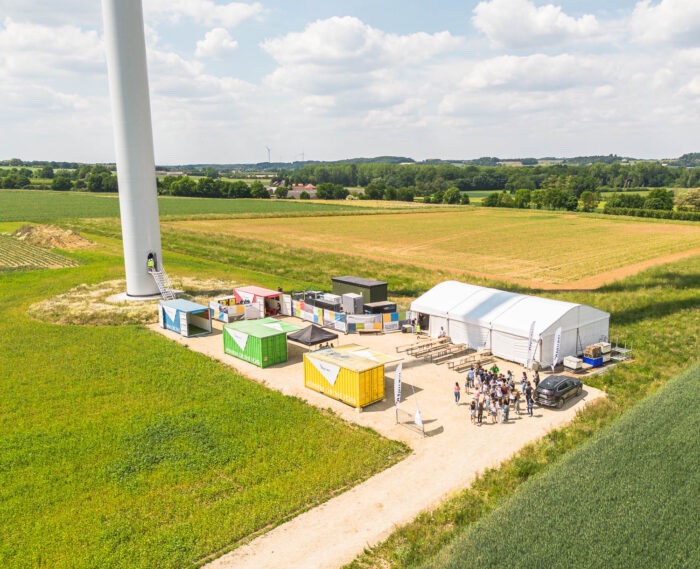
Our wind projects originate in Belgium, and we are growing internationally with a handprint in Spain, France, Curaçao, Scotland and Bosnia and Herzegovina. Working with B2B and B2C customers, we deliver locally produced wind energy — for example directly at a company site — helping them cut their carbon footprint and depend less on market fluctuations.
Solar energy
Two solar projects in Spain: Sant Fruitós in the north-east and Erica in the north-west. By investing in different geographies we broaden our energy mix and make production more resilient to variable weather.
Optimisations during the operational phase
We continuously improve output from existing turbines through incremental changes, always weighing efficiency against the impact on the surroundings.
Repowering wind turbines
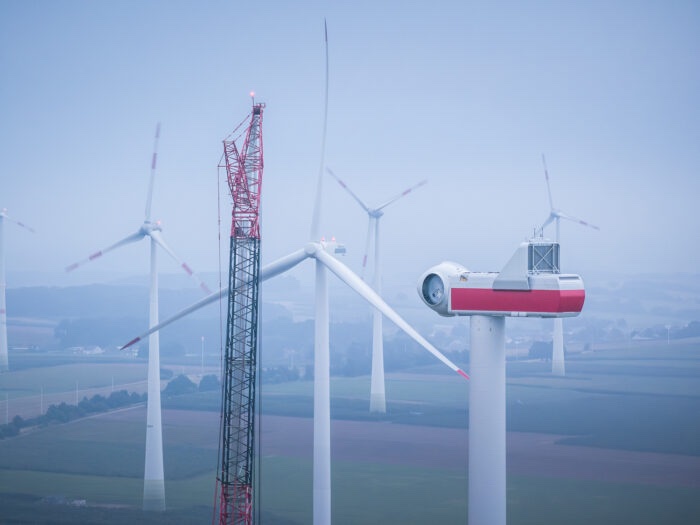
Space for new turbines in Flanders is limited, which makes repowering critical to Belgium’s energy transition. We replace older models with more advanced ones that generate more electricity even at lower wind speeds — more green energy from the same site, with less environmental impact and fewer shutdowns. Before we start, we assess local biodiversity, noise restrictions, cast shadow, and the age and performance of the existing turbines. Turbines still in good condition are reused at other locations; the rest are recycled. Around 90% of wind-turbine components are fully recyclable.
Own employees
At Aspiravi, our people are at the core of our mission to drive the energy transition forward. Therefore, we are committed to creating a safe and supportive work environment where employees can grow and thrive.
-
Healthy and safe working conditions are crucial in the operation and maintenance of wind turbines, where physical hazards and the risk of accidents are inherent. Recognizing this, we are strongly committed to ensuring the health and safety of our own employees as well as those of our subcontractors.
HSE on site
Our prevention adviser makes sure everyone working on our sites — employees and subcontractors alike — works in safe conditions, knows our safety regulations and has the right protective equipment for their function. Employees are involved in choosing and testing that equipment. Technical installations and key tools such as lifts, mechanical installations and ladders carry a unique QR code linking to their intervention files and up-to-date legal inspection documentation.
Safety training
Everyone working at a wind project site completes GWO training before they start, covering first aid, working at height, evacuation and ergonomics. The legal refresher cycle is two years; we run one every six months, adding practical topics such as evacuation devices, emergency simulations and new protective equipment. BA4/BA5 electrical safety training is refreshed yearly, and the construction team follows an annual basic training on working at height, first aid, confined spaces and extinguishing agents.
Impact on local residents
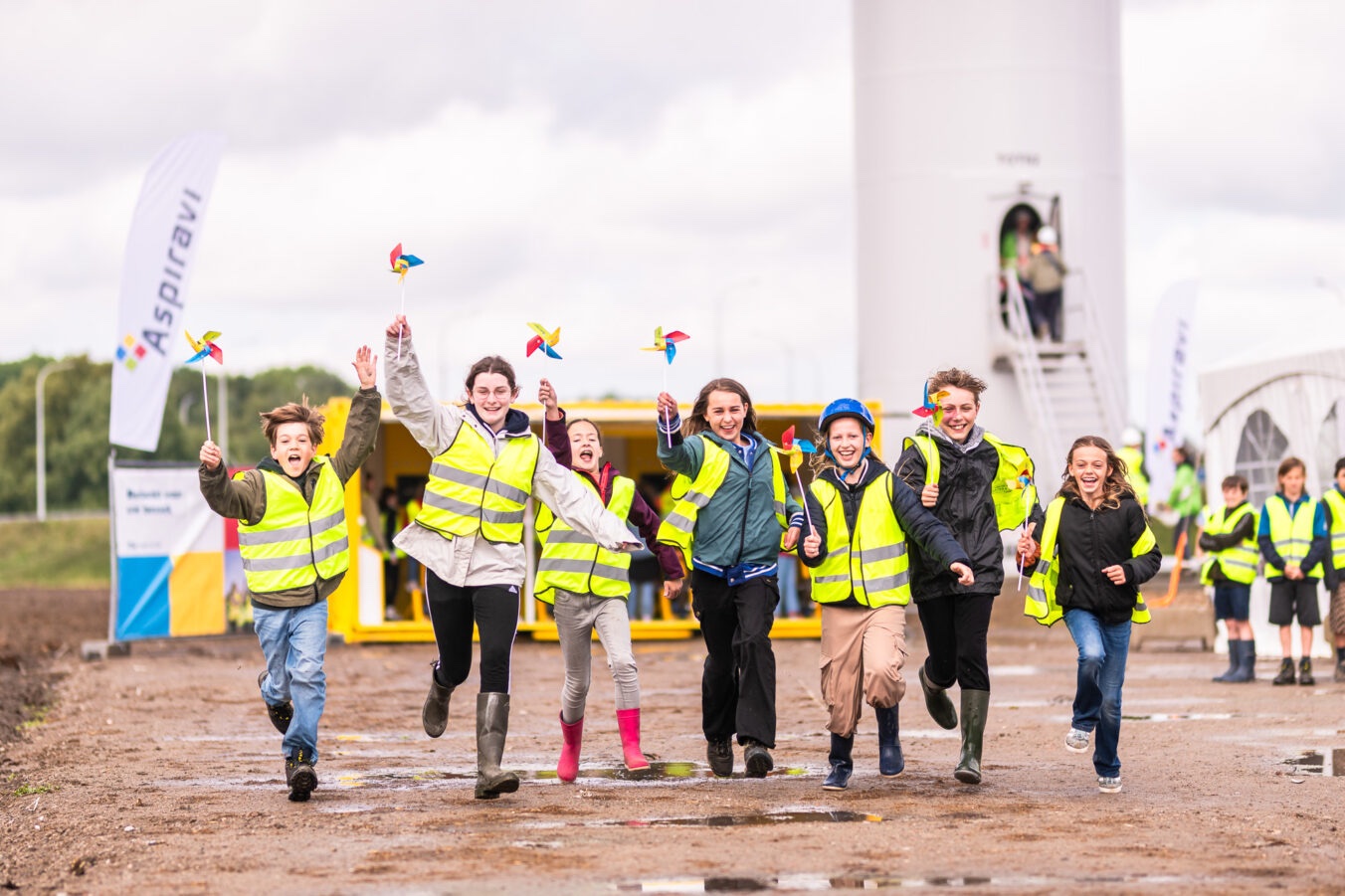
We are committed to building trust, engaging with communities and ensuring that residents are informed, involved and positively impacted by our activities.
Good governance is essential for reaching our ambitions. Therefore, we foster a strong corporate culture and manage our supplier relationships responsibly to ensure that ethical, social and environmental standards are upheld throughout our operations and value chain.
-
We believe that a strong corporate culture is the foundation of a positive work environment. It fosters employee engagement, supports well-being and ensures that our values and goals are aligned across the organization. A vibrant culture also helps us attract new talent and create a workplace where employees feel motivated to stay and grow. At Aspiravi, we are committed to nurturing this culture every day.
Code of Conduct
Our company-wide Code of Conduct, introduced in 2025, sets clear expectations on ethical behaviour, human rights and accountability, and by 2026 we aim for all employees to have signed it.
Key Figures 2025
Performance in numbers
Environment
- Green electricity generated
- 1.8 TWh
- CO₂-equivalent emissions avoided
- 2.44 M tonnes
- Total Scope 1 + 2 emissions
- 547 tCO₂e
- Total battery storage capacity
- 125 MWh
- Turbines repowered & reused
- 12
Our people
- Colleagues
- 87
- Collective bargaining coverage
- 100 %
- Recordable accidents & fatalities
- 0
- Avg. training hours per employee
- ~21 hrs
- Hours worked
- 137,000
Financial
- Turnover 2025
- €281 M
- Balance sheet total
- €1.26 B
- Pioneering since
- 2002
Governance & support
- Municipal shareholders
- 88
- Citizen co-operants
- 13,000
- Policy bodies with an active role
- 4
- Member of The Shift since
- 2025
Recognition & Partnerships
Recognised for how we work
2024–2025
Sportbedrijf Label
Awarded by Sport Vlaanderen in 2024 and 2025, this label recognises our strong commitment to promoting health, sport and physical activity in the workplace, the visible result of the Aspiravi Active programme.
Sector leadership
Policy & The Shift
President of VWEA, co-chair at FEBEG and board member of the Belgian Offshore Platform; and, since April 2025, a member of The Shift, Belgium's largest sustainability network of 580+ organisations.
Our Targets
The road ahead
Directional ambitions across our material topics, and the concrete, dated targets that steer our efforts year after year.
Ambitions — where we are heading
Renewable energy production
Continue investing to safeguard and diversify capacity and guarantee a stable energy supply; repower existing assets where local environmental and social conditions allow.
Storage & grid stability
Develop and implement energy storage systems that complement renewable assets, improving both energy delivery and grid resilience.
Building support
Strengthen public support by raising awareness and informing local communities, and participate actively in policy advisory groups to build political support.
Carbon footprint
Continuously evaluate activities to reduce residual climate impacts.
Health & safety
Ensure all operational employees, internal and external, follow clearly defined HSE procedures; move towards a robust OH&S management system.
Work-life balance
Improve work-life balance through flexible work arrangements, and promote physical health and belonging through an organised employee programme.
Training & development
Upskill our talent and foster a culture of continuous learning so all employees can grow, innovate and thrive.
Corporate culture
Nurture a culture where people feel engaged, supported and motivated to stay and grow.
Human rights
Ensure every employee is treated with dignity, fairness and respect, and formalise this through a Code of Conduct signed by all.
Impact on local residents
Strengthen relationships with local residents and create positive local social impact, through partnerships with social enterprises and financial participation.
Supplier management
Assess whether suppliers' ethical, environmental and social standards align with our values, and build transparent partnerships.
Targets — measurable milestones
-
2026
Avoid 2.4 million tonnes of CO₂-equivalent emissions through renewable generation. 100% of employees sign the Code of Conduct.
-
2027
Achieve an annual employee satisfaction score of at least 85%. Launch a structured onboarding programme for new hires.
-
2028
Zero accident absence leave days for own employees and subcontractors at our wind project sites. Obtain a 'Great Place to Work' certificate; keep turnover below 10%.
-
2030
Keep long-term absences of all own employees below 2%, safeguarding well-being across the organisation.
-
2035
Main suppliers to comply with ISO 14001 and ISO 45001 (or standards of similar value) across the supply chain.